
Your skin, explained
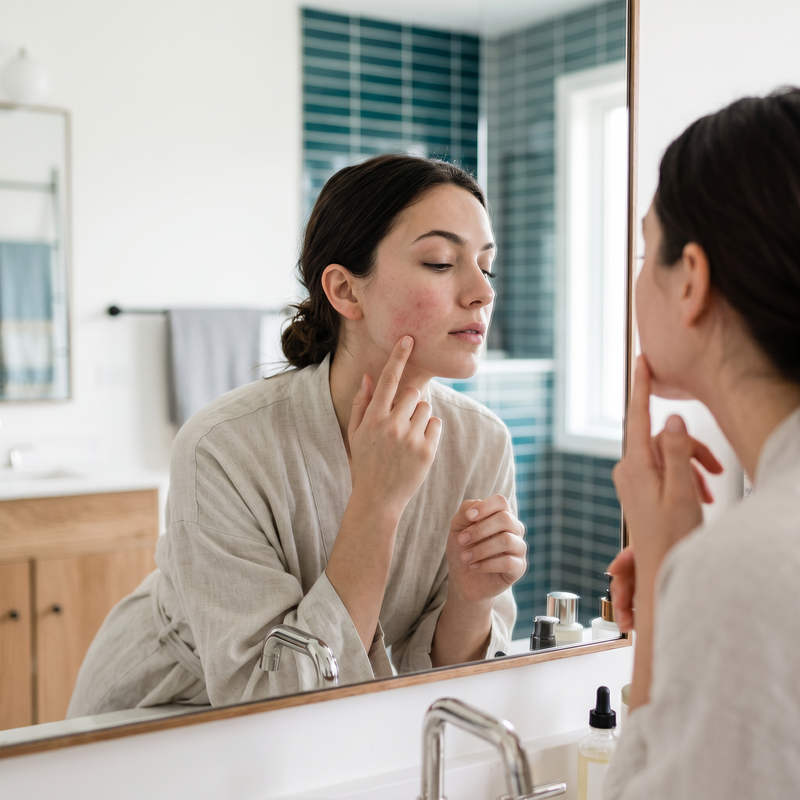
Redness & Sensitivity
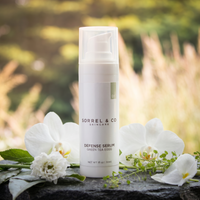
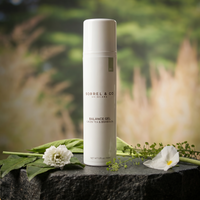
Your recommended routine

Skin flushes at the smallest thing? Three gentle steps to settle it — and keep it.
$108.00
3 products inside
Add to cart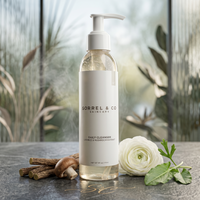
Kris on redness

“My skin seemed reactive to everything. What helped was treating it gently — fewer steps, calmer ingredients, less fuss.”
Kris, founderThe basic routine for redness
Why these ingredients
What the research points to for Redness & Sensitivity

“Reactive skin calms when you do less. We lean on centella, bisabolol, and allantoin to soothe the look of redness and support a barrier that overreacts less.”
What’s happening to your skin
Why skin gets reactive
- A weakened barrier reacts to things it would normally tolerate
- Over-exfoliation and too many actives are common triggers
- Heat, weather, and friction can all set off visible redness
- Simplifying the routine often calms reactive skin
With a calmer, simpler routine, skin looks less flushed and feels more comfortable — and reacts less over time.
 Mist Mechanics: What a Mist Can Deliver (and What It Can't)Read the research →
 The Sensitive-Skin RoutineRead the research →
 Bisabolol and Reactive Skin: Calming Without NumbingRead the research →
 Post-Procedure Skincare: The First 72 HoursRead the research →
Take it with you
Get this research by email
We'll send this research and our recommended routine for this skin challenge — revisit anytime, and adjust as your skin changes.
Your research is on its way. Check your inbox.
Recommended for you
Solutions for Redness & Sensitivity
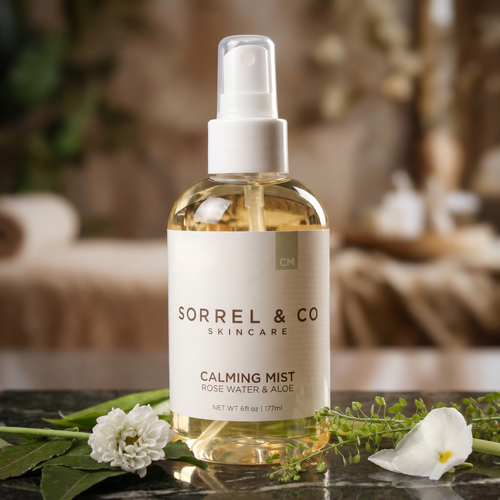
Calming Mist with Rose Water & Aloe
For skin that flushes after cleansing, weather, or travel — rose water and aloe to soothe and rehydrate calmer-looking skin.
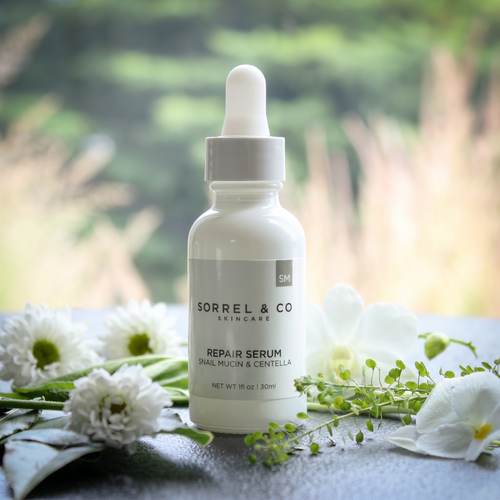
Repair Serum with Snail Mucin & Centella
For stressed, reactive skin — a calming daily layer of snail mucin and centella for comfort and the look of less redness.
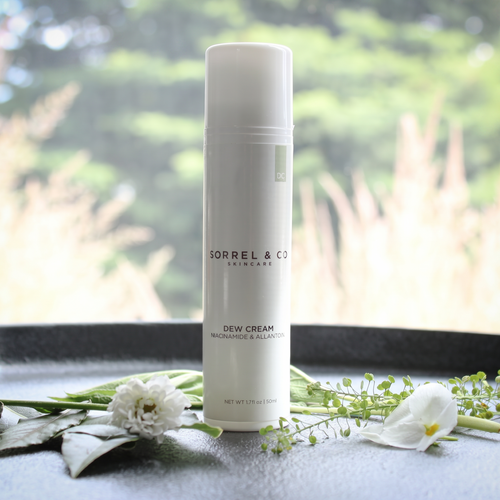
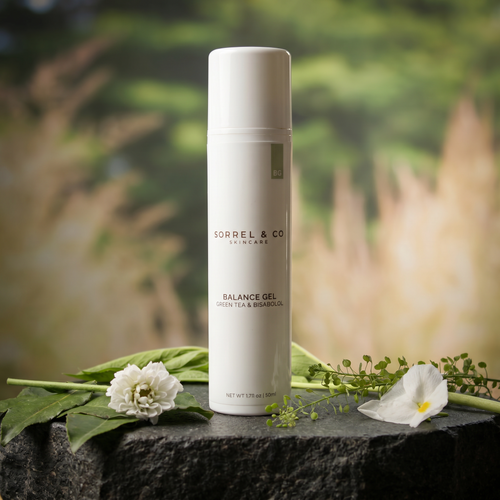
The research library
Everything we've written on Redness & Sensitivity
Peer-reviewed research, ingredient by ingredient -- read the evidence before you decide.
Not sure this is your main challenge?
Many people experience more than one challenge at the same time. Use the Skin Plan and we will show you where to start.
Make Your Skin PlanExplore other skin challenges