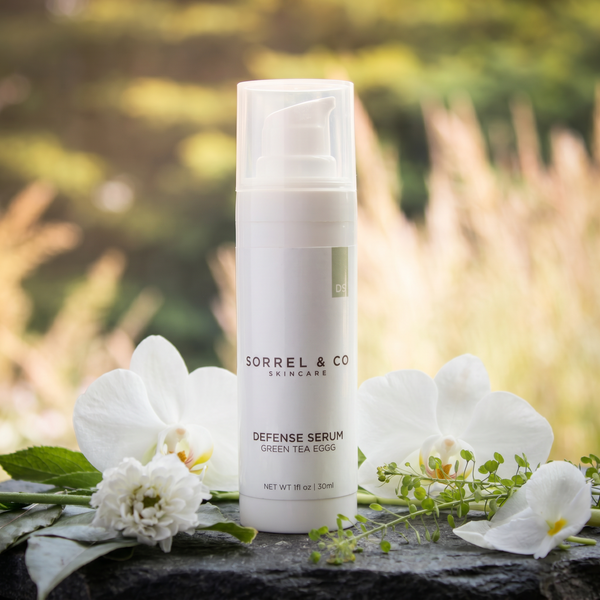
Because you read the ingredients first

Research-backed Skincare for Dark Spots & Uneven Tone Concerns

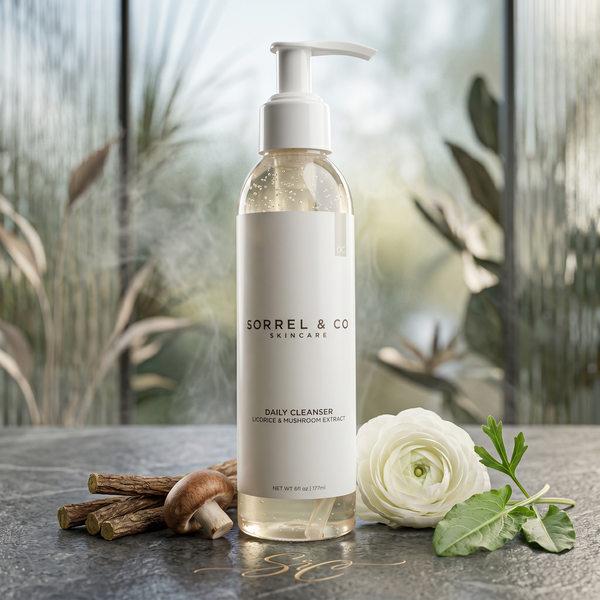
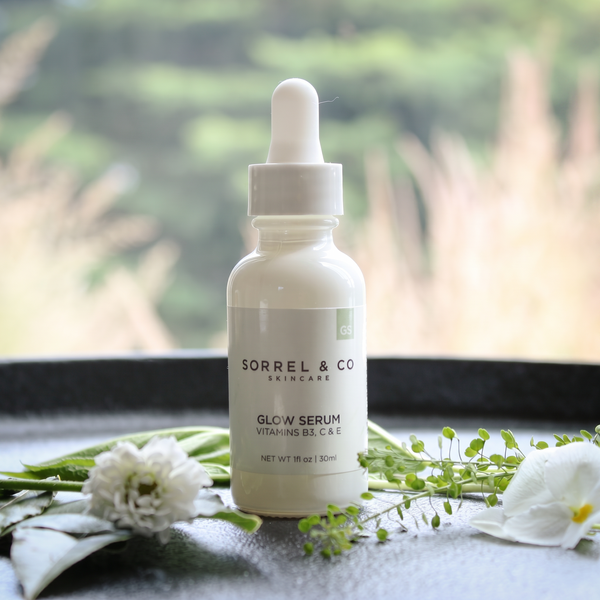
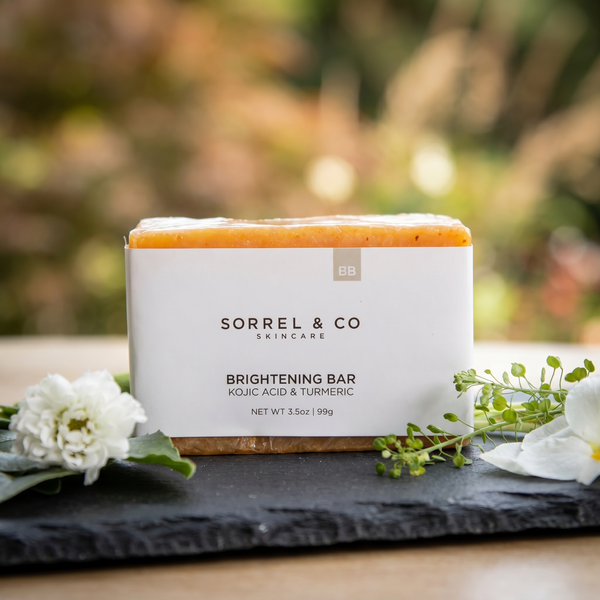
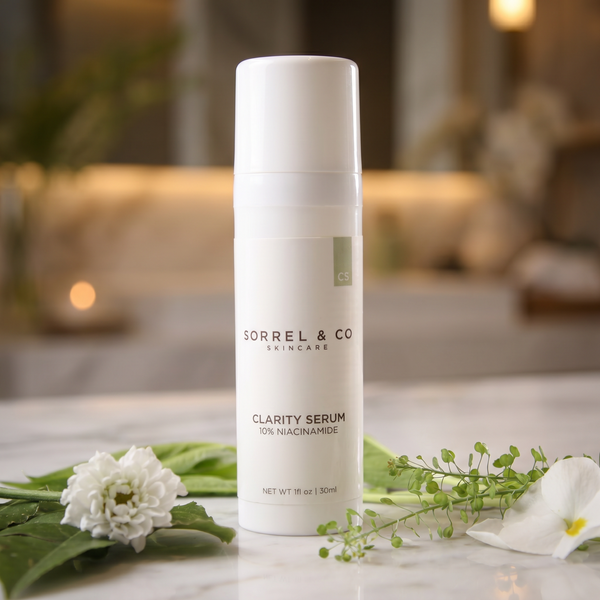
Uneven tone and dark spots usually trace back to excess pigment — from sun, from old blemishes, from time. The research points to a handful of ingredients studied for a brighter, more even-looking tone: vitamin C, niacinamide, and kojic acid. We choose those in forms the studies support, and we're honest about what each one can and can't do.
Skincare for the look of dark spots and uneven tone — Sorrel & Co

SHOP

Dark Spots & Uneven Tone

For the look of dark spots and uneven tone. Vitamin C, niacinamide, kojic acid, and licorice to support brighter, more even-looking skin — each chosen from published research.

Build My Routine
5 of 5 products

A NOTE FROM KRIS

If you're tired of dark spots and uneven tone

If you're anything like me, you're tired of it. You try something new, it works for a while, and then one day your skin isn't happy again — so you go looking for the next fix, never quite sure who to believe. Sometimes a product solves one thing and quietly starts another. I did that for thirty years before I found the way out — and it turned out to be simpler than everything I'd been doing.

Start simple, and give it time

Begin with a three-step routine built for your skin: a gentle cleanser, one active for whatever bothers you most, and a moisturizer. Then use it faithfully — morning or night — for at least a couple of weeks. Your skin needs time to settle after everything it's been through, and more often than not, doing just this one thing is enough.

Match the active to the concern

If something specific still nags at you, add one targeted product — an eye cream for the look of fine lines around the eyes, say. But reaching for three or four serums at once works against you. Keep it to one active, matched to what you most want to change: retinol for the look of lines and wrinkles, niacinamide for the look of pores, vitamin C for dullness. One job at a time.

We're not guessing — so you don't have to

None of this is our opinion. The research already shows how to care for skin and step off the treadmill — we just pulled it into one place, graded it in plain English, and put a citation on every claim. So since dark spots and uneven tone are what brought you here, you can read exactly what the evidence says about them — and decide for yourself.

Common questions

I've tried everything — why would this be different?
Because it's less, not more. Most people are using too many products that fight each other. A simple routine, used consistently, gives your skin the one thing it hasn't had: time to settle.
How long before I see a difference?
Give it at least a couple of weeks of faithful use before you judge it. Comfort and hydration can look better within days; tone, texture, and fine lines take longer. The trap is switching before anything has had a chance to work.
Do I really only need three products?
For most people, yes — a gentle cleanser, one active for your main concern, and a moisturizer. Add a targeted product only if something specific still bothers you, and never three or four at once.
Which active should I use?
Match it to what you want to change: retinol for the look of lines and wrinkles, niacinamide for the look of pores, vitamin C for dullness. One active doing one job beats a cabinet full of them.
How do you know this actually works?
It isn't our opinion — it's what the published research says. We pulled it together in one place, graded the strength of the evidence in plain English, and cited it, so you can check it for yourself.
What if a product fixes one thing but starts another?
That's usually a sign of too much, too fast. Strip back to the basics, give your skin time, and add back slowly, only if you need to.